

History of Indian jewelry
query_builder
2020/10/28
editorial
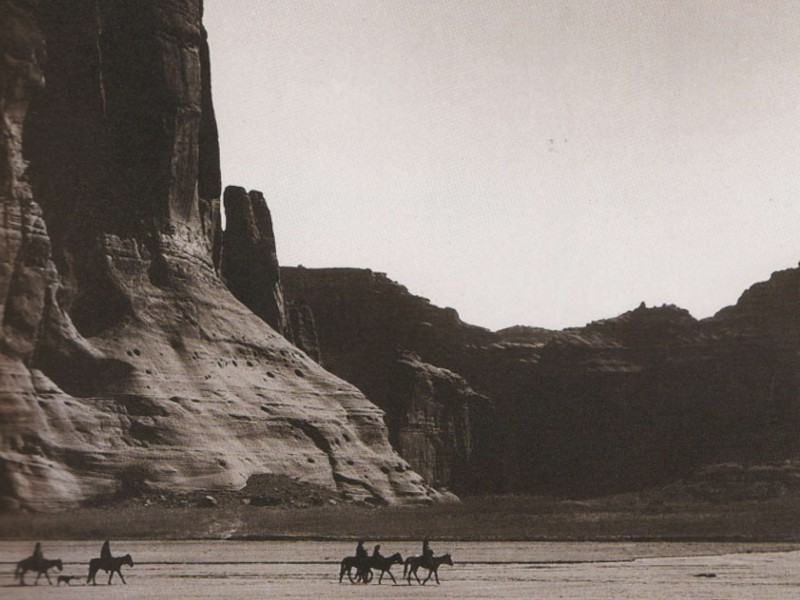
Indian jewelery (Native American jewelery), rich in ancient wisdom and knowledge, attracts many people all over the world.
Here I write about the beginnings of Indian jewelry and why it became so popular. If you are interested in the history of Indian jewelry, please take a look.
The beginning of Indian jewelry
The history of Indian jewelery dates back to at least 10,000 BC. The first indigenous people to live in the United States used materials such as shells, stones, bones, wings, and antlers to create ornaments.
Known as the oldest Indian jewelery is the approximately 12,000-year-old earring, decorated with four bones (Alaska).
8,000 BC, indigenous peoples of the Southwestern United States drilled colorful stones and shells into beads to create pendants.
Beads made of bones, branches and shells from 7,000 BC from inside a cave in Alabama, beads made from shells from 6,000 BC from Nevada, copper gems from 3000 BC are Superior From the lake, beads made of stone 1500 BC were found in each of the provinces of Louisiana.
Over the years, the technology has gradually become more sophisticated, and materials such as animal teeth and claws, turquoise, copper, silver, and pearls are also being used.
Here I write about the beginnings of Indian jewelry and why it became so popular. If you are interested in the history of Indian jewelry, please take a look.
The beginning of Indian jewelry
The history of Indian jewelery dates back to at least 10,000 BC. The first indigenous people to live in the United States used materials such as shells, stones, bones, wings, and antlers to create ornaments.
Known as the oldest Indian jewelery is the approximately 12,000-year-old earring, decorated with four bones (Alaska).
8,000 BC, indigenous peoples of the Southwestern United States drilled colorful stones and shells into beads to create pendants.
Beads made of bones, branches and shells from 7,000 BC from inside a cave in Alabama, beads made from shells from 6,000 BC from Nevada, copper gems from 3000 BC are Superior From the lake, beads made of stone 1500 BC were found in each of the provinces of Louisiana.
Over the years, the technology has gradually become more sophisticated, and materials such as animal teeth and claws, turquoise, copper, silver, and pearls are also being used.
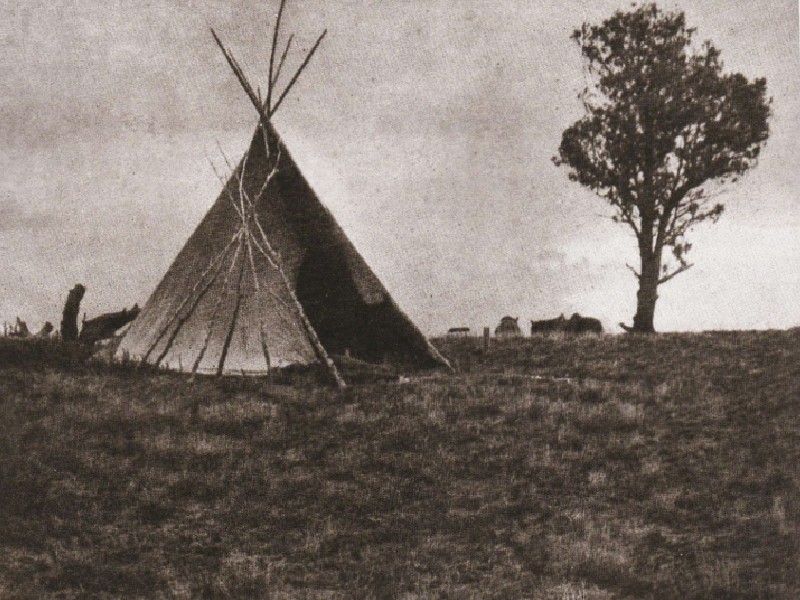
What is Indian Jewelery for Native Americans?
Indian jewelery, which has become a tool to convey tradition, is said to have used it to express class and individuality.
Native American wealth was livestock, jewelery, fur, etc., and did not have the concept of money as it does today. Wealth also had to be portable.
It also played an important role in trade between tribes. Thus, for Native Americans, jewelery was both an ornament and an economic value.
Indian jewelery, which has become a tool to convey tradition, is said to have used it to express class and individuality.
Native American wealth was livestock, jewelery, fur, etc., and did not have the concept of money as it does today. Wealth also had to be portable.
It also played an important role in trade between tribes. Thus, for Native Americans, jewelery was both an ornament and an economic value.
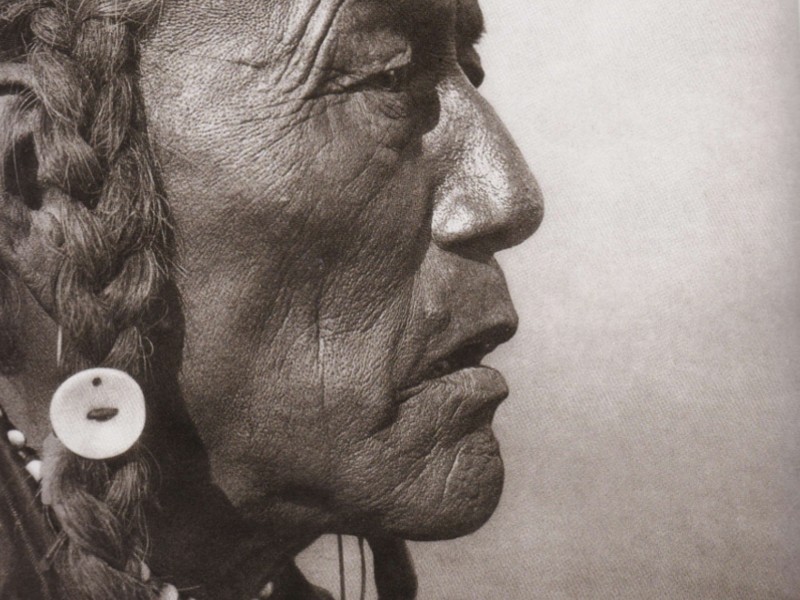
Technological progress
Europeans who landed on the North American continent in the 1500s introduced beads and began to incorporate them into their designs. The beads were connected using dietary fiber and animal tendons.
In the 1600s, the southwestern United States began to be invaded and ruled by Spain. Then, in the midst of the disaster, they will be given and used metal tools.
In the 1850s, the Navajo Atsidi Sani (meaning Old Smith) learned silverwork from the Mexicans and first incorporated silver into jewelry design.
In 1864, the US government armed control of the land inhabited by the Navajos, and the Navajos were forced to relocate (long walk) and were imprisoned by the US government for four years. It is said that at the accommodation, he began to spread his knowledge of silverwork to his friends and create jewelry.
Even after being released from the US government in 1868, we will continue to improve our silversmithing skills as contact with whites and Mexicans increases as we cultivate the western part.
The Zuni, who praised the Navajo silversmithing technique, acquire the technique in exchange for livestock. And by 1890, the Zuni had passed on the technique to the Hopi. In this way, the technique was transmitted among the tribes and adopted by various tribes.
Early silverwork was a rustic design that was obtained from a European-American merchant by melting hardened, tableware, and ingots and engraving them on plain silver to give them a design, but later used by Mexican leather craftsmen. We used punches and stamps, spurs of railways, and scrap iron to enhance the design.
It is said that turquoise jewelery has been in general use since about 1880, and coral has been in general use since about 1900.
Europeans who landed on the North American continent in the 1500s introduced beads and began to incorporate them into their designs. The beads were connected using dietary fiber and animal tendons.
In the 1600s, the southwestern United States began to be invaded and ruled by Spain. Then, in the midst of the disaster, they will be given and used metal tools.
In the 1850s, the Navajo Atsidi Sani (meaning Old Smith) learned silverwork from the Mexicans and first incorporated silver into jewelry design.
In 1864, the US government armed control of the land inhabited by the Navajos, and the Navajos were forced to relocate (long walk) and were imprisoned by the US government for four years. It is said that at the accommodation, he began to spread his knowledge of silverwork to his friends and create jewelry.
Even after being released from the US government in 1868, we will continue to improve our silversmithing skills as contact with whites and Mexicans increases as we cultivate the western part.
The Zuni, who praised the Navajo silversmithing technique, acquire the technique in exchange for livestock. And by 1890, the Zuni had passed on the technique to the Hopi. In this way, the technique was transmitted among the tribes and adopted by various tribes.
Early silverwork was a rustic design that was obtained from a European-American merchant by melting hardened, tableware, and ingots and engraving them on plain silver to give them a design, but later used by Mexican leather craftsmen. We used punches and stamps, spurs of railways, and scrap iron to enhance the design.
It is said that turquoise jewelery has been in general use since about 1880, and coral has been in general use since about 1900.
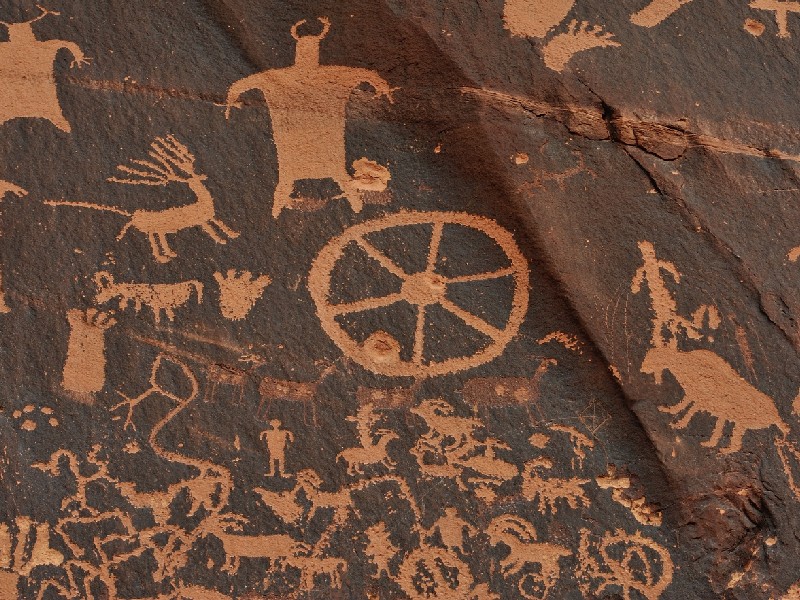
How Indian Jewelery Has Become Popular
From around the 1870s, Native Americans began to bring their jewelry, wool products, livestock, etc. to white-owned trading posts (where people trade goods) for food and daily necessities. It was.
Here, too, from interacting with people of other races, casting that melts metal and flows it into a mold, and creating tools for decoration, laid the foundation for modern Indian jewelry.
Also, there aren't many jobs in Native American settlements, and many Native Americans send their jewelry and crafts to Pawn when they need cash income.
At that time, Indian jewelery was not industrialized, so it was made for owners and their families, and for trade between peers and tribes.
The transaction was conditional on the owner being able to collect the item for the amount purchased + 10%. If the owner does not collect it after at least 6 months, the trader was able to sell the item. It seems that 70-85% of the jewelery could be collected by the owner, but for some reason 15-30% was not collected and they were called old pawn jewelery and were distributed from the hands of traders. It was one reason why it became popular.
And the biggest reason for its popularity was that the gold rush of the 1900s revitalized the transportation network by trains, which led to many white people using trains, and the tourism industry in the southwestern United States grew rapidly. It depends.
Native Americans have begun selling jewelery made of silver and turquoise to tourists.
Originally, many Indian jewelery was heavy, but it became lighter and closer to what tourists liked, which attracted tourists' interest in different cultures and became popular. The birth of tourist jewelry. Typical examples are Fred Harvey jewelry and Fred Harvey style jewelry.
From around the 1870s, Native Americans began to bring their jewelry, wool products, livestock, etc. to white-owned trading posts (where people trade goods) for food and daily necessities. It was.
Here, too, from interacting with people of other races, casting that melts metal and flows it into a mold, and creating tools for decoration, laid the foundation for modern Indian jewelry.
Also, there aren't many jobs in Native American settlements, and many Native Americans send their jewelry and crafts to Pawn when they need cash income.
At that time, Indian jewelery was not industrialized, so it was made for owners and their families, and for trade between peers and tribes.
The transaction was conditional on the owner being able to collect the item for the amount purchased + 10%. If the owner does not collect it after at least 6 months, the trader was able to sell the item. It seems that 70-85% of the jewelery could be collected by the owner, but for some reason 15-30% was not collected and they were called old pawn jewelery and were distributed from the hands of traders. It was one reason why it became popular.
And the biggest reason for its popularity was that the gold rush of the 1900s revitalized the transportation network by trains, which led to many white people using trains, and the tourism industry in the southwestern United States grew rapidly. It depends.
Native Americans have begun selling jewelery made of silver and turquoise to tourists.
Originally, many Indian jewelery was heavy, but it became lighter and closer to what tourists liked, which attracted tourists' interest in different cultures and became popular. The birth of tourist jewelry. Typical examples are Fred Harvey jewelry and Fred Harvey style jewelry.
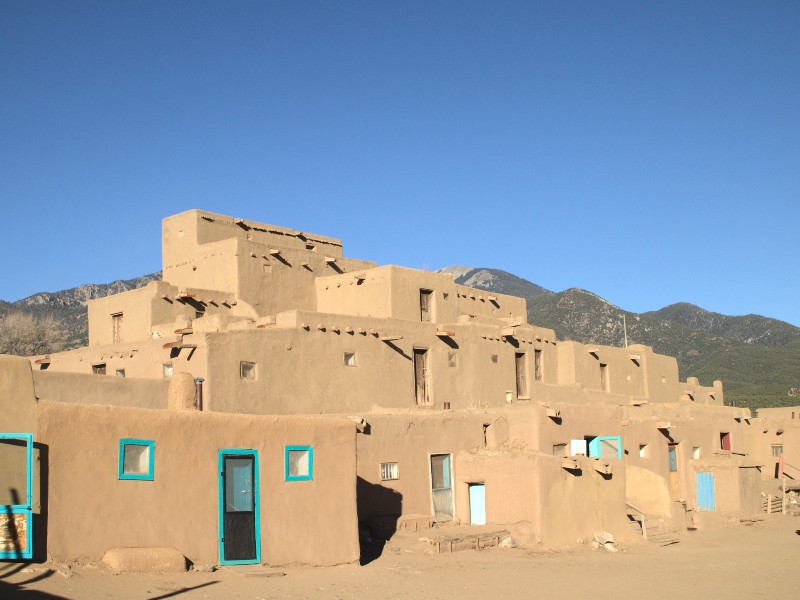
Taos Pueblo, a World Heritage Site, visited during the trip. The 1000-year-old adobe building made of sun-dried bricks is still used as a residence.
What is Fred Harvey Style?
Fred Harvey (1835-1901) is an American businessman and founder of the Fred Harvey Company. Born in London, England, he moved to New York, USA at the age of 15 and became a US citizen a few years later.
I worked in a restaurant in New York, where I gained a lot of experience. After that, I moved from one place to another and worked for a jewelry store and a railway company.
After that, he started a business and ran a cafe and a restaurant along the railroad, but each of them was closed due to the Civil War and the breach with business partners.
After many twists and turns, I met the president of Santa Fe Railway.
In 1878, Harvey signed a contract with the Santa Fe Railroad to run a small restaurant along the railroad route, and a few years later the dining car began operating on the Santa Fe Railroad.
At that time, the dining car had poor food and service. As a result, Harvey's style of wearing uniforms and providing quality service became novel and quickly became popular.
The women who were thoroughly trained there and provided high-quality services, [Harvey Girls], have also become movies, and you can see how popular they were at that time. Harvey owned 84 restaurants at peak times, but died in 1901. Fred Harvey Company was entrusted to his sons.
In the 1900s, his facility also became a market for Indian jewelry and Native American crafts to revitalize the tourism industry.
Fred Harvey Company has requested Silversmith to emphasize the weight reduction and design of jewelry in order to win the hearts of tourists. The resulting products became popular and were bought by many tourists. Also, from around this time, motifs such as Thunderbirds and Arrows were frequently used so that they could be recognized as Indian jewelry at a glance.
In this way, the Fred Harvey Company has become a leader in popularizing Indian jewelery, which was previously a tribal ornament.
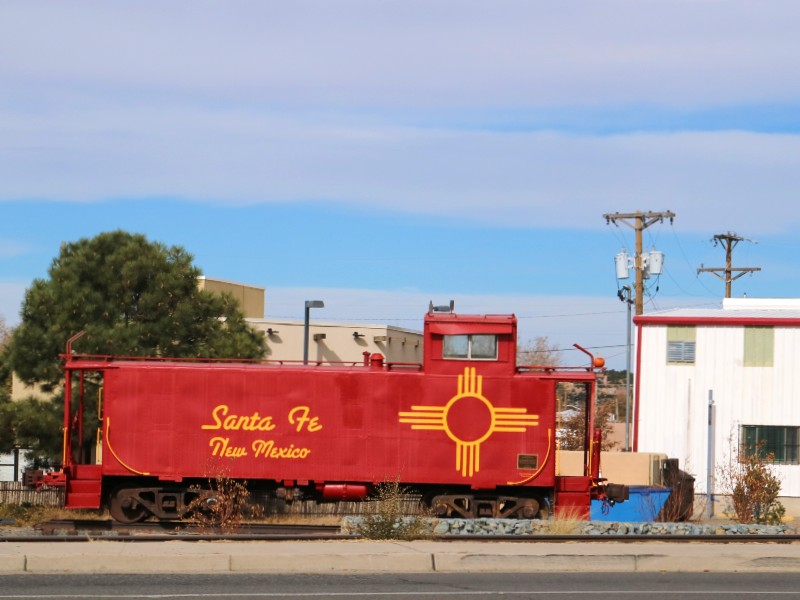
Santa Fe visited during the trip. A caboose-only vehicle connected to the tail end.
What is Bell Trading Post?
In 1932, Jack Michelson and his wife founded the Belt Trading Post. It was named [BELL] after his wife Jack Middleton's maiden name. Jack produced Indian jewelery (tourist jewelery) for travelers passing through Albuquerque, New Mexico, and sold it at various tourist shops, including Fred Harvey's shop. Most of them are Navajo jewelery, but it seems that Native Americans from other tribes such as the Zuni were also enrolled in the production.
It was all handmade and produced many items, but it seems that there was a time when the machine was also added on the way.
Unfortunately, it was acquired in 1972 and does not exist, but it is still well known, and there are many jewelry collectors of belt trading posts, and it is very popular in the United States.
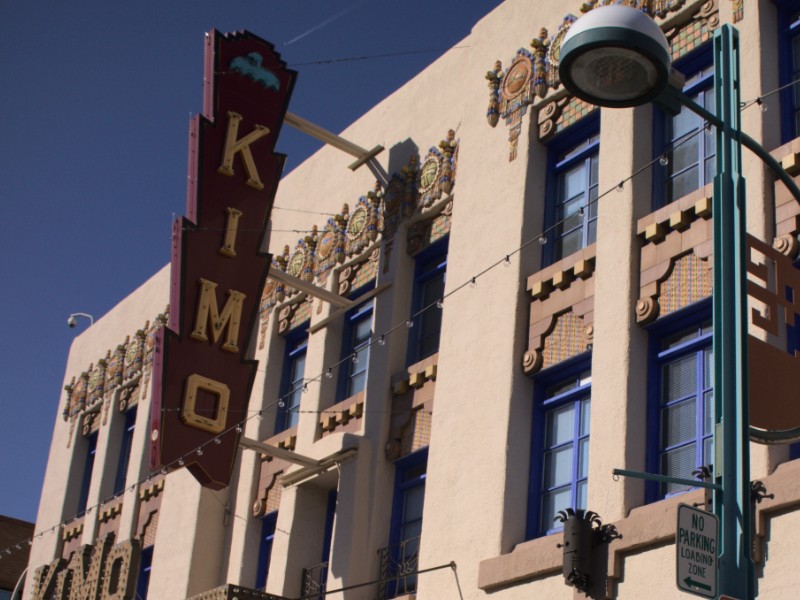
The Kimo Theater built in 1927 in Albuquerque, which I visited on my journey. It features a design that combines Art Deco and Pueblo styles.
The charm of OLD Indian jewelry
In this way, Native Americans have learned various foreign cultures from history and disaster, and combined them with their own worldviews and ideas to create unique Indian jewelry from long ago to the present.
I bought dozens of items in the US this time and carefully brought them to Japan. Indian jewelry that is like a talisman and can be a tool to inspire you. Please take a look.
You can try Indian jewelry in Kamakura, the ancient capital of Kanagawa prefecture.
A'r139 Kamakura has opened in Kamakura as a brand shop of Rocky Mountain Featherbed.
Focusing on Rocky Mountain Featherbed clothing, we also offer vintage clothing and vintage Indian jewelry.
If you are looking for vintage Indian jewelry near you, please stop by.
For those who are far away, mail order is also available at the A'r139 Kamakura online shop.


